VPN Battery Use on iPhone: What Normal Users Should Expect
A practical answer about VPN battery use, public Wi-Fi, mobile data, and when it makes sense to connect.
Quick Answer
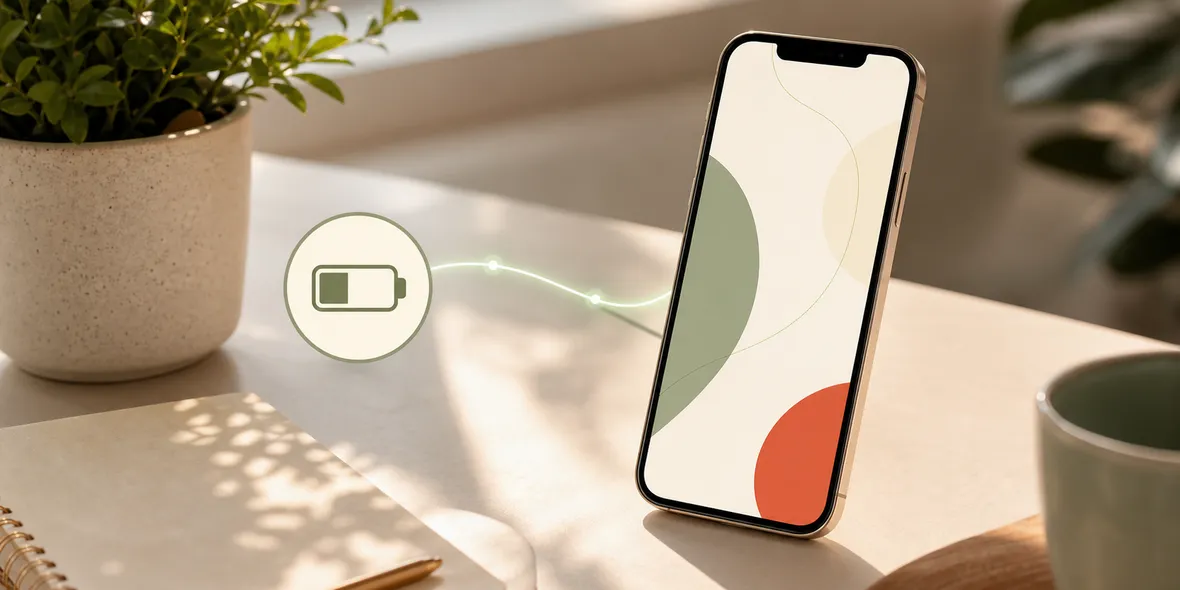
A VPN can use some extra battery because it keeps an encrypted connection active and routes traffic through the VPN tunnel. The impact depends on the network, app behavior, and how much data you use. For many people, the practical move is to turn it on before shared Wi-Fi and turn it off when it is no longer needed.
Best For
Search Intent
The reader wants to know whether using an iPhone VPN will hurt battery life.
Shareable Angle
A VPN can use battery, but the bigger problem is leaving users confused about when it is worth turning on.
Yes, a VPN can use extra iPhone battery.
That does not mean you should avoid VPNs. It means you should use them with a practical routine.
A VPN keeps a secure connection active and routes traffic through a tunnel. If the Wi-Fi is weak, your phone is moving between networks, or apps are uploading and downloading a lot, battery use can increase.
The better question is not “does a VPN use battery?” It is “when is the extra battery worth it?”
The Simple Answer
A VPN can drain some battery on iPhone, but the impact depends on the situation.
If you are on public Wi-Fi and opening personal accounts, work email, cloud files, or travel bookings, the VPN is often worth turning on.
If you are at home, on trusted Wi-Fi, or using mobile data for simple browsing, you may decide not to keep it connected all day.
That is a normal tradeoff.
Why VPNs Can Use Battery
A VPN can use battery because it:
- keeps a tunnel active
- encrypts and routes traffic
- reconnects when the network changes
- handles background app traffic
- may work harder on unstable Wi-Fi
This does not mean the VPN is broken. It is doing network work.
But a good VPN experience should make the decision easy. Users should know when they are connected, which location they are using, and how much usage is happening.
A Real Situation
You are traveling with 38% battery left. You sit in an airport and need to check email, download a boarding pass, and open a hotel booking.
This is a good time to turn on a VPN.
Later, you leave the airport and switch to mobile data. You are just listening to music and checking weather. If battery is low, turning off the VPN may be reasonable.
That is not inconsistent. It is practical.
Heavy Usage Matters
Battery and VPN usage are not only about the VPN being on. They are also about what you do while it is on.
Video calls, cloud backups, photo sync, large downloads, streaming, and file uploads can use more data and battery. A VPN does not create those tasks, but it carries their traffic through the tunnel.
That is why clear usage is helpful. If an app shows total, used, remaining, download, upload, and reset information, you can understand what is happening.
How To Reduce Battery Impact
Try this routine:
- Turn on the VPN before using shared Wi-Fi.
- Avoid heavy downloads on weak public Wi-Fi.
- Close background apps you do not need.
- Use mobile data if public Wi-Fi is unstable.
- Turn off the VPN after you leave the shared network.
- Keep iOS updated.
- Check VPN usage if your plan has limits.
This keeps the VPN useful without making it feel like a burden.
What Not To Expect
A VPN should not be sold as something that solves every problem without tradeoffs.
It may affect battery. It may affect speed. It may reconnect when the network changes. It may use plan traffic.
Honest products should explain these things plainly.
Where Sovatun Fits
Sovatun is built for simple iPhone use, especially when you are on shared Wi-Fi and need to connect quickly.
Instead of making users import profiles or choose protocols, Sovatun keeps official locations built in. It also makes usage visible so you can understand how much traffic is going through the VPN.
Sovatun does not collect browsing history, visited URLs, DNS query details, or raw traffic content.
Bottom Line
A VPN can use extra battery. That is normal.
For many iPhone users, the answer is not to keep it on forever or avoid it completely. The answer is to use it when the network deserves it, especially public Wi-Fi, then turn it off when you no longer need the tunnel.
Quick Questions
Does a VPN use more battery?
It can. A VPN keeps a secure tunnel active and handles network traffic, so battery impact is possible, especially on weak networks or during heavy usage.
Should I avoid VPNs because of battery?
No. Use a VPN when the network deserves it, especially shared Wi-Fi. You can turn it off later if battery is more important.
How does Sovatun help?
Sovatun focuses on simple on-demand use and clear usage, so users can decide when the VPN is worth keeping on.